







Search Results for: Colombia coffee
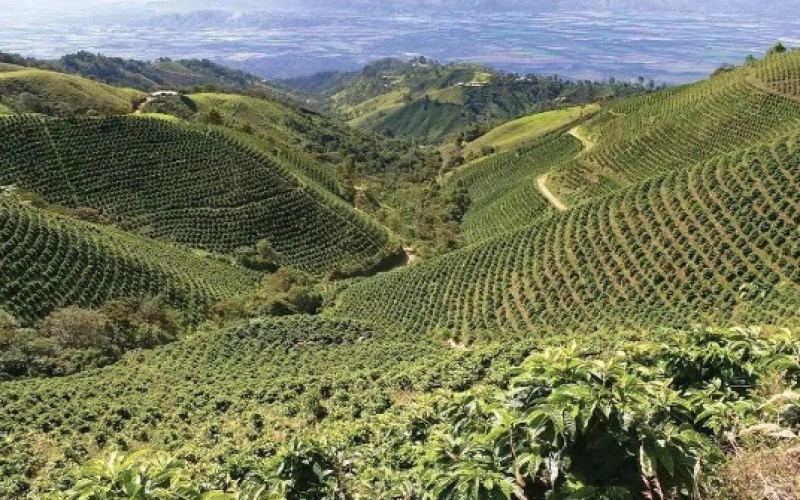
Colombia | Coffee growing regions in Colombia
Colombia is one of the most famous coffee producing areas in the world and is known for its high-quality coffee. Colombian coffee is also one of the few single-origin coffees sold in the world under the name of the country. The full name of Colombia [more…]
A Comprehensive Analysis of Colombian Coffee Regions: Flavor, Varieties, Processing Methods, Grade Classification, and Comparison
Colombia, as a global powerhouse of specialty coffee, boasts distinctive flavors across its various producing regions. From the perspective of Front Street Coffee, this article systematically reviews the geographical environments, variety characteristics, and processing method differences of Colombia's main producing regions (Santander, Huila, Cauca, etc.), comparing the effects of washed, anaerobic double enzyme washed, and anaerobic natural processing methods on flavor. It also introduces the origins, estates, altitudes, varieties, and flavor descriptions of Front Street Coffee's representative products—Colombia Rose Valley, Hanami Geisha Blend, and Sakura Coffee Beans—along with recommended brewing parameters. The article is comprehensive and suitable for coffee enthusiasts seeking an in-depth understanding of Colombia's diverse coffee charm. [more…]
A Complete Analysis of Colombian Coffee Flavor and Mouthfeel: From Regional Terroir to a Full Guide on Caturra and Castillo Varieties
Colombia is one of the few origins in the world sold as a single-origin coffee under its country name, and together with Brazil it ranks among the world's top three coffee exporters, accounting for about 15% of global production. Unlike Brazil, which relies on technology-driven cultivation, Colombia owes its clear, rich, fruit-and-acidity-laced coffees to the volcanic soils, abundant rainfall and diverse terrain of the Andes. This article systematically reviews Colombia's major producing regions—from Bucaramanga in the north to Santander, Huila, Cauca and Nariño in the south—explains the flavor differences among them, introduces the diverse varieties such as Typica, Caturra and Castillo, and includes the brewing parameters and flavor descriptions for several Front Street Coffee Colombian beans, helping coffee lovers gain a comprehensive understanding of the appeal of this South American origin. [more…]
Colombian Hula Volcano Smallholder Coffee Brand Recommendation | Origin, Variety, Processing Method, and Front Street Brewing Analysis
Colombia, with the diverse terroirs of the Andes Mountains, has become the world's third-largest coffee exporter and the country with the highest export volume of Arabica beans. The Huila volcanic region is known for organic farming and fruity flavor profiles, where smallholder cooperatives at altitudes of 1,400 to 2,000 meters cultivate citrus, grapefruit, and chocolate-like sweet-and-tart flavors. This article systematically reviews Colombia's main producing regions, coffee varieties, washed processing methods, and grading system, and highlights the Colombian beans sold by Front Street Coffee (FrontStreet Coffee), including Rose Valley, Flower Moon Night, and Hanami Geisha Blend, and finally provides cupping and three-stage brewing parameters to help coffee lovers gain a comprehensive understanding of the charm of Colombian coffee, from flavor perception to practical extraction. [more…]
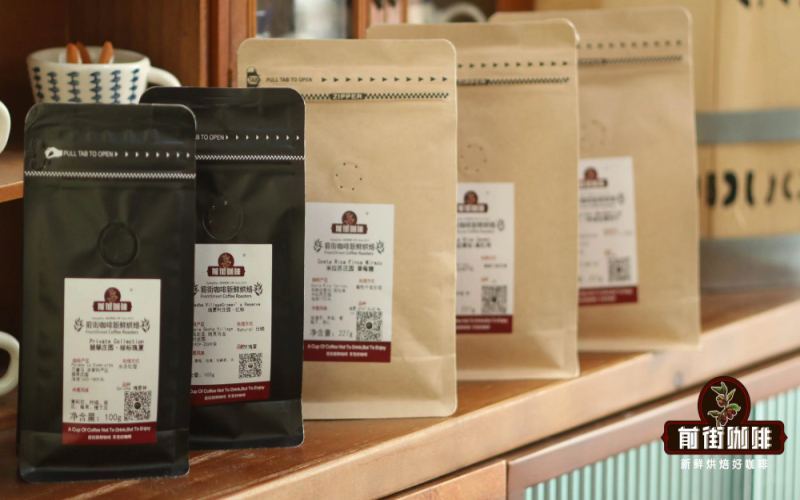
Colombian Coffee Flavor Characteristics and Huila Region Analysis: From Geography and Varieties to Front Street Brewing Practice
Colombia, as the world's third-largest coffee-producing country, is renowned for the superior terroir of the Andes Mountains and its rich variety of cultivars. This article systematically reviews the overall flavor characteristics of Colombian coffee, with a focus on analyzing the terroir conditions of specialty producing regions such as Huila, and provides a detailed introduction to the cultivation performance of varieties including Typica, Bourbon, Caturra, and Castillo in Colombia. It also covers coffee bean grading standards, washed processing methods, and the brewing parameters and flavor descriptions of products sold by FrontStreet Coffee such as the Colombian Geisha blend Hanami, offering coffee enthusiasts a complete framework for understanding Colombian coffee. [more…]
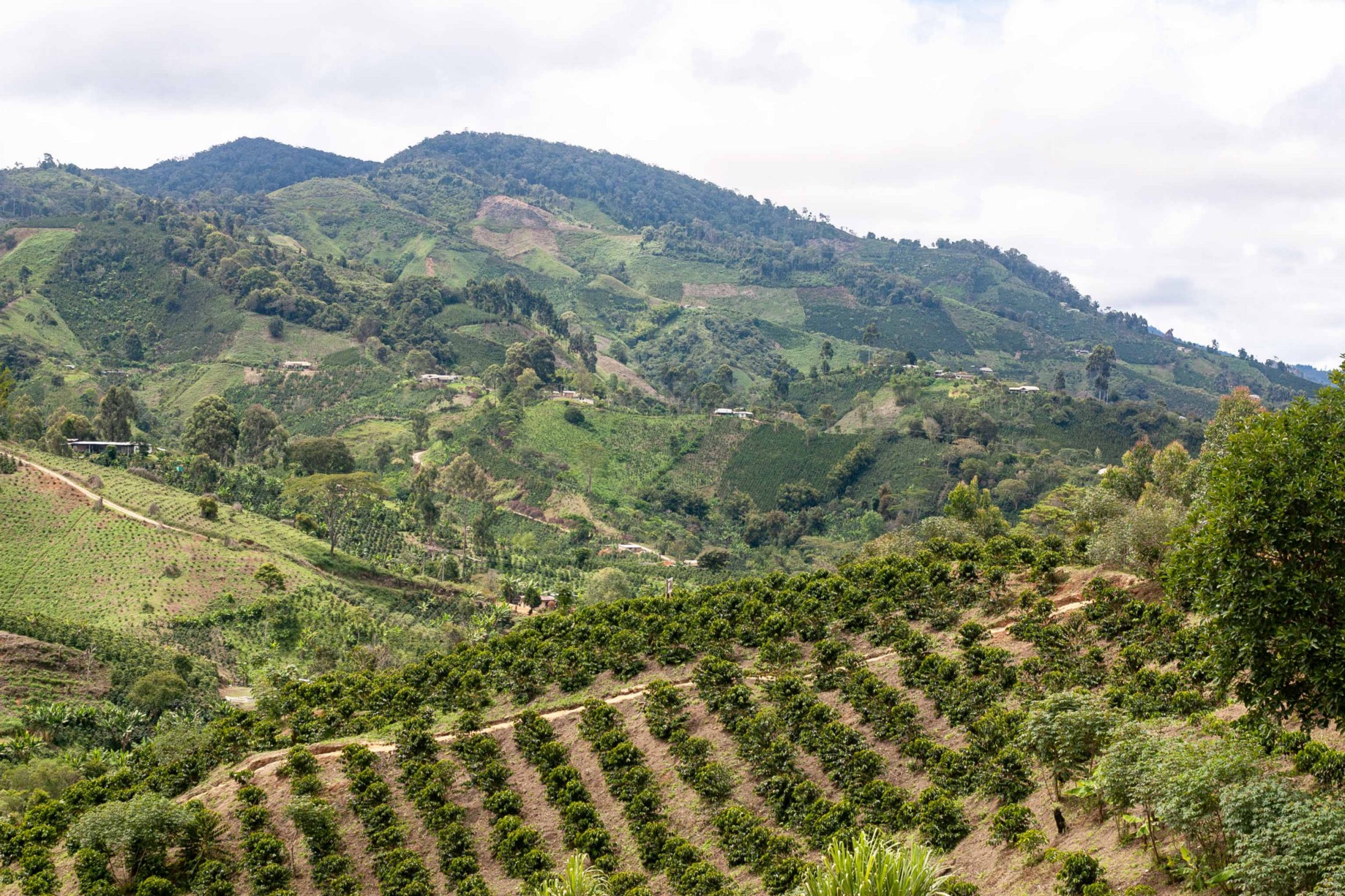
Colombian Coffee Beans | Introduction to Major Coffee Producing Regions and Flavor Characteristics of Colombia Medellín and Huila
For more specialty coffee knowledge, please follow: Front Street Coffee (Frontsteet Coffee) Today, Colombia is the world's second-largest producer of Arabica coffee beans. Colombian coffee is renowned for its unique flavor and the mild yet rich aroma that every cup exudes. [more…]

Colombia Huila Pink Bourbon Coffee Beans: Washed and Anaerobic Washed Pour-Over Flavor Analysis
Pink Bourbon is a highly representative rare variety from Colombia's Huila region, originating from a cross between Red Bourbon and Yellow Bourbon and named for the unique pink hue the coffee cherries display when ripe. The interaction of its recessive genes makes this pink coloration difficult to preserve consistently, and its yields are extremely limited. Front Street Coffee has selected two Pink Bourbon lots from the Huila region—a semi-washed and an anaerobic washed—the former displaying bright notes of citrus, berries, and cherry tomato on entry, with honeyed sweetness and a floral finish emerging as the temperature changes, and a smooth, clean mouthfeel; the latter offering deep berry flavors of smoked plum and blackberry, with crisp citric acidity, honeyed sweetness in the mid-palate interwoven with black tea notes and a cocoa finish. This article systematically reviews Colombia's coffee-growing regions and variety characteristics, and presents in detail the processing methods, roasting recommendations, and pour-over parameters for the two Pink Bourbon lots, providing coffee enthusiasts with a complete brewing reference. [more…]
A Comprehensive Analysis of Colombian Coffee Bean Flavor and Taste: Key Points on Huila Region Characteristics and Roast Level
Colombia, as the world's third-largest coffee-producing country, nurtures Arabica coffee beans of exceptional quality thanks to the superior geographical conditions of the Andes Mountains. This article systematically reviews the characteristics of Colombia's main producing regions, analyzing the flavor differences of each region one by one, from Santander to Huila, Cauca, and Nariño. It also provides an in-depth introduction to the coffee bean grading system, the washed processing method, and the characteristics of varieties such as Typica, Bourbon, Caturra, and Castillo, with a particular focus on the roasting degree performance and brewing recommendations of specialty coffee from the Huila region. The article retains Front Street Coffee's recommendations and brewing parameters for bean varieties such as Sidra, Maragogipe, and Hanami, providing coffee enthusiasts with a complete framework for understanding Colombian coffee. [more…]
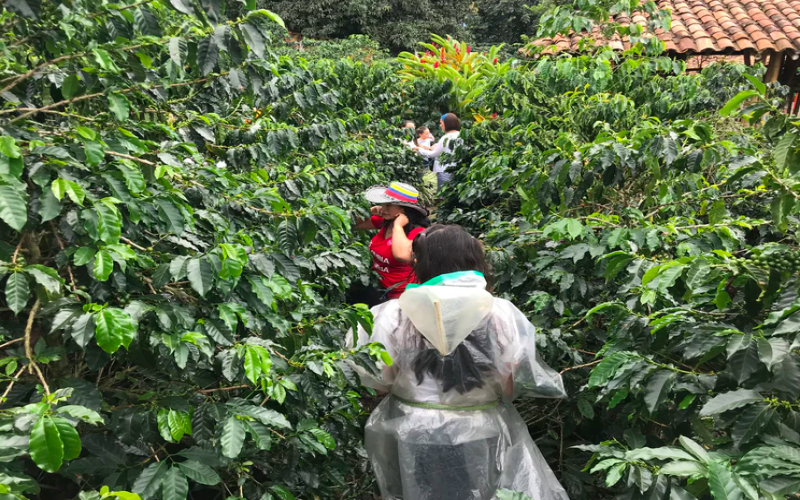
A Complete Guide to Colombia's Specialty Coffee Regions: Terroir and Variety Secrets from Huila to Cauca
Colombia, as the world's second-largest coffee producer, may not match Brazil in output, but it is renowned worldwide for the excellent quality of its washed Arabica. Its coffee is mild and sweet, with cocoa notes when processed well. This article will systematically review Colombia's six major specialty regions—Medellín, Huila, Cauca, Nariño, Tolima, and Santander—and provide an in-depth analysis of each region's altitude, climate, soil characteristics, and flavor performance. It will also introduce major varieties such as Caturra, Bourbon, and Castillo, as well as processing methods including washed, natural, and honey. The article will also mention representative Colombian coffees from the Front Street Coffee brand, such as Colombia Huila, Flower Moon Night, and Rose Valley, and include brewing parameters and suggestions, offering coffee lovers a complete guide to Colombia's coffee terroir. [more…]
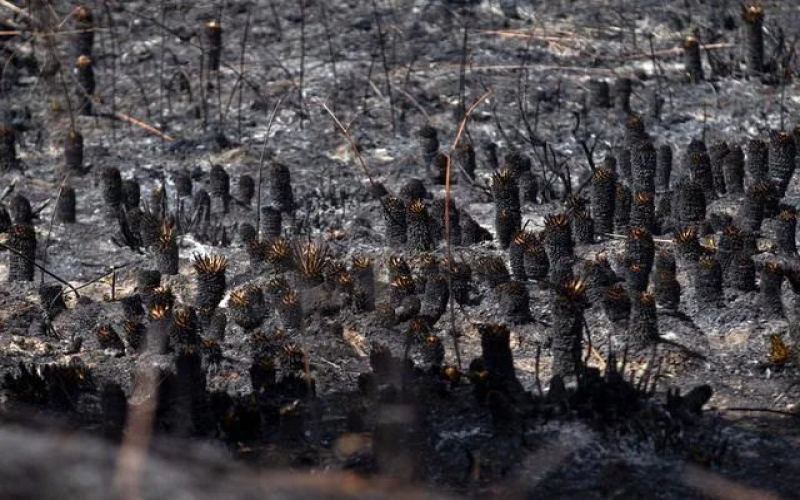
South America Hit by Dual Blow of Drought and Wildfires: Colombia's Coffee Production Declines, Inventories Dwindle, Exports Under Pressure as Prices Rise
A drought and forest fires lasting for months are sweeping across South America, and Colombia has not been spared. Forests in many places have been burned, water sources are running dangerously low, the water level of the Amazon River has plummeted, and Cauca Department has suffered its worst fires in nearly three decades, with large numbers of coffee crops damaged. Water rationing policies have left coffee farmers in a dilemma: insufficient irrigation affects yields, while exceeding water limits brings fines. The latest data show that Colombia's coffee production had fallen to 1.05 million bags in August, with inventories down 7.2% month on month. As the world's third-largest coffee-producing country, declining output and inventories are pushing up international coffee prices. [more…]
The Rise of Colombia's Coffee Industry and an Analysis of Its Main Producing Regions: From Conflict to a Specialty Coffee Powerhouse
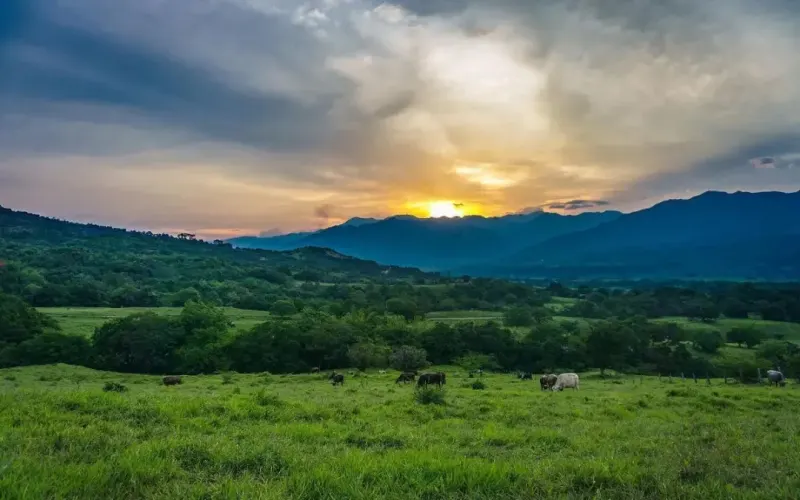
South America, with the volcanic fertile soils and tropical climate of the Andes, has nurtured major coffee-producing countries such as Brazil and Colombia. Among them, Colombia stands out as the world's third-largest coffee producer. Its western region is crossed north to south by three cordilleras, with numerous volcanoes, high-altitude mountains, and diverse climates providing ideal conditions for coffee to ripen year-round. However, Colombia's coffee industry has not had a smooth journey. After coffee was introduced in the 18th century, it suffered severe setbacks due to the wars of the 19th century. Only after the postwar land reforms and the efforts of the National Federation of Coffee Growers of Colombia (FNC) did it become a pillar of the national economy. Among the country's 15 producing regions, Huila is known for its canyon terrain, volcanic ash soil, and consistent quality. Front Street Coffee's washed Huila is a representative entry-level selection, while renowned estates such as Finca La Divisa and Roble Estate continue to write new chapters in specialty coffee. [more…]

An In-Depth Look at Colombia's Huila Region: From Coffee History to the FNC System and a Full Analysis of Flavor and Taste
Colombia is a major producer of high-quality Arabica coffee worldwide, and the Huila region is one of its most highly regarded specialty representatives. This article begins with the historical origins of Colombian coffee, outlining its industry position, geographical conditions, main producing regions, and the role of the National Federation of Coffee Growers of Colombia (FNC) in quality supervision and safeguarding the rights of coffee farmers. At the same time, the article will introduce Colombia's traditional washed processing method and, combined with the roasting and brewing practices of Front Street Coffee's Huila everyday beans, present its classic flavor profile—balanced, with prominent sweetness and notes of dark chocolate and citrus. Whether you are just getting into single-origin coffee or want a deeper understanding of the terroir of the producing region, this content provides a complete and practical reference. [more…]
An Analysis of Coffee Cultivation Altitudes in Colombia: How High Altitude Shapes the Premium Flavor of Coffee Beans
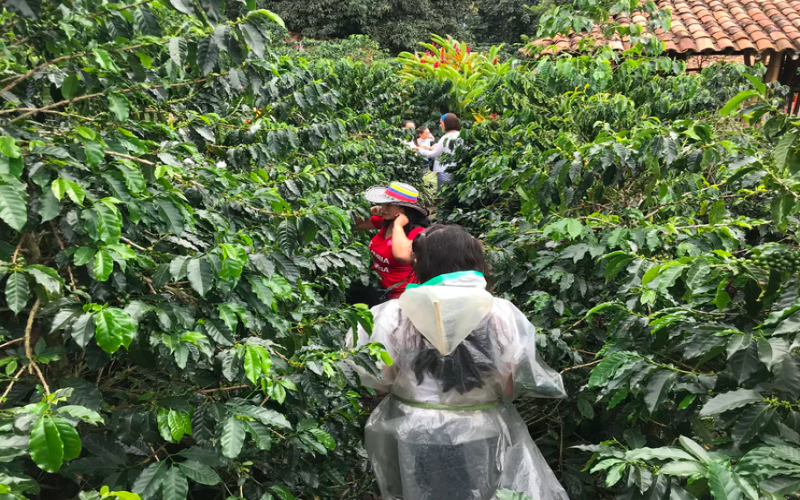
Colombia, as the world's second-largest coffee-producing country, is renowned for its washed Arabica coffee, which has a soft, sweet flavor with cocoa notes. Coffee quality is deeply influenced by factors such as altitude, soil, and climate, with growing altitude being particularly critical. This article will explore the growing altitude range of Colombian coffee in depth, analyze how high altitude affects the flavor and quality of coffee beans, and introduce the characteristics of specialty regions such as Huila, Cauca, and Nariño, as well as Front Street Coffee's recommended Colombian coffee products and brewing suggestions. [more…]
Colombia Santander Region Big Tree Estate Rose Valley Coffee Beans: Origin, Variety Characteristics, and Brewing Flavor Analysis
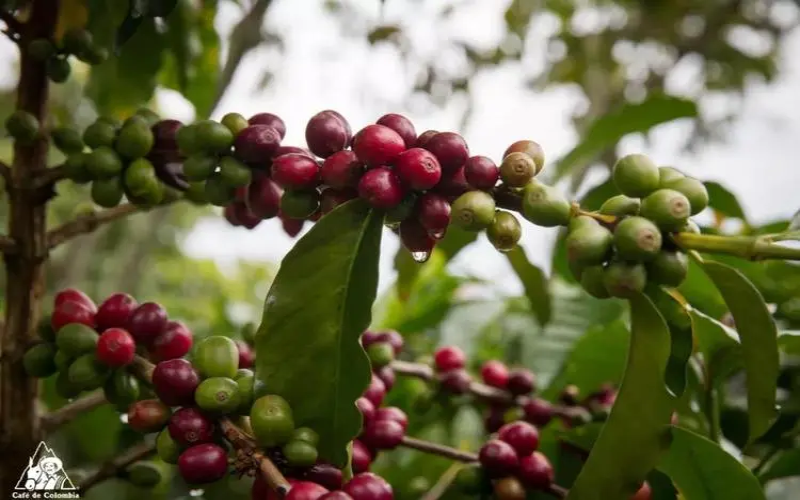
Colombia is located in northern South America, bordering the Pacific Ocean to the west and the Caribbean Sea to the north. The Andean region in the west has high altitudes, volcanic soil, and abundant rainfall, with diverse microclimates. It is recognized as a high-quality coffee-producing region and is the world's third-largest coffee producer. Coffee was introduced in the late 18th century by Jesuit priests among the Spanish colonists, and was first cultivated in the departments of Santander and Boyacá. The Santander producing region is located in the northern Andes Mountains of Colombia, at an altitude of about 1,400-1,700 meters. It is one of the earliest coffee-growing areas in Colombia, known for its strong flavor, long finish, and unique fresh herbal notes. Hacienda El Roble is a rare single-variety plantation in the area. The Front Street Colombia Rose Valley coffee beans sourced by Front Street Coffee come from this estate, using anaerobic enzyme washed processing and medium roasting, presenting flavors of rose, liqueur chocolate, berries, cranberries, and white peach. [more…]
Colombia's coffee production in May rose nearly 40% year-on-year; FNC holds the 9th Diversity Competition to boost international influence
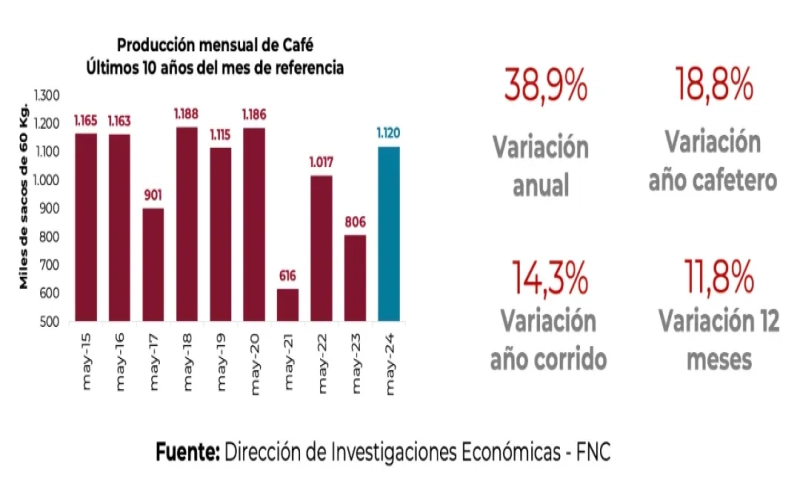
Latest data from the National Federation of Coffee Growers of Colombia (FNC) shows that Colombia's coffee production reached 1.12 million bags in May, a year-on-year increase of 38.9%, an impressive performance. In the same period of 2023, production was dragged down by La Niña, while the drought impact brought by El Niño in the first half of this year was relatively limited. In addition, the arrival of the rainy season in May alleviated the drought, allowing production to recover. On the export side, exports in April were 792,000 bags, a year-on-year increase of 9.5%. However, domestic coffee prices fell 4% month-on-month, mainly affected by the decline in New York futures contract prices as well as lower exchange rates and differentials. In addition, the FNC is holding the ninth "Colombia Diversity" coffee quality competition, aiming to enhance the international influence of Colombian coffee. [more…]
The Core Characteristics and Pour-Over Flavors of Colombian Coffee: A Comprehensive Interpretation from Origins and Varieties to Processing Methods
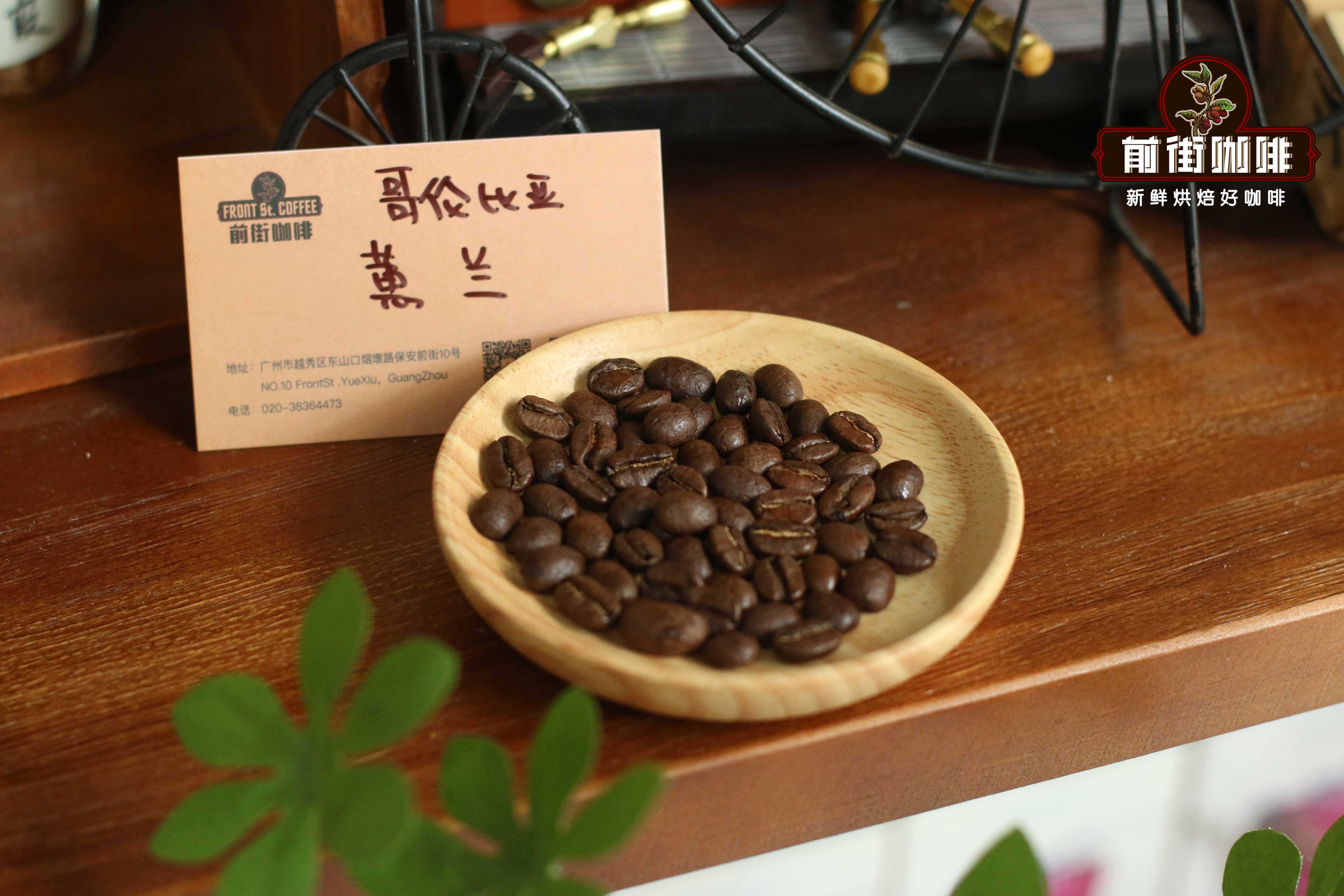
Colombian coffee is known for its soft, balanced acidity and caramel and nutty sweetness, and the country is a major exporter of washed Arabica beans worldwide. This article systematically sorts out the flavor logic of Colombian coffee, from growing environment, main producing regions, and variety composition to processing methods and brewing parameters, and introduces the characteristics of Front Street Coffee's products such as Huayueye, Rose Valley, Xizhua, and Daduqi, helping coffee enthusiasts understand the elegance of "soft" style coffee and why washed Huila is regarded as the representative flavor of Colombia. [more…]
Colombian Coffee Bean Brand Recommendations and Flavor Analysis: Front Street Washed Huila Everyday Coffee Beans
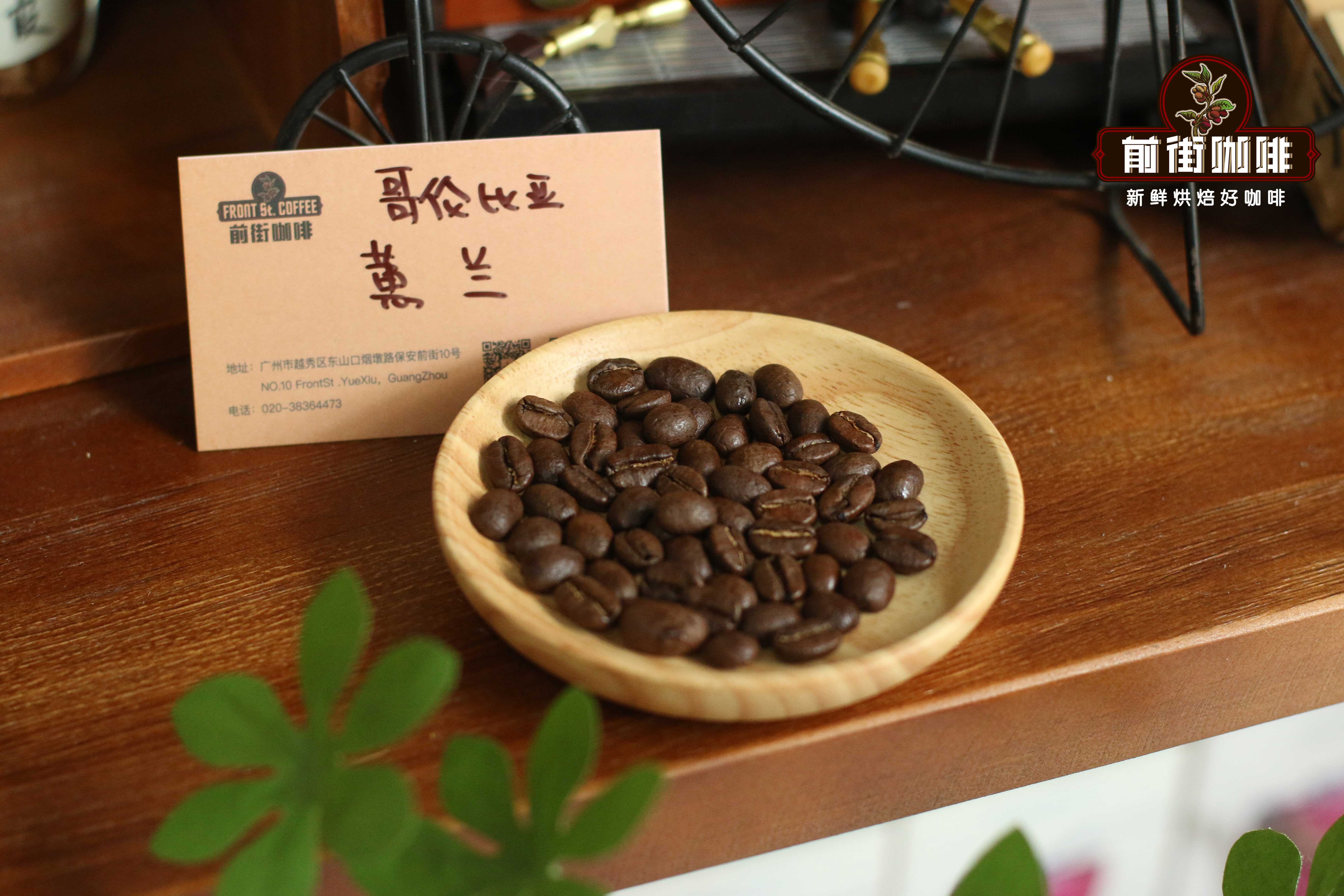
Colombia, with its exceptional geographical and climatic conditions, has become a key origin for premium Arabica coffee worldwide. This article starts with Front Street Colombia Washed Huila coffee beans, introducing their region, altitude, processing method, and variety information, and analyzes the characteristics of this everyday bean—balanced, with prominent sweetness and chocolate and caramel-nut flavors. It also reviews Colombia's well-known regions, specialty bean distribution, and the context of coffee history and brand marketing, helping coffee enthusiasts more systematically understand the flavor sources of Colombian coffee and how to choose it. [more…]
Colombia's Antioquia Coffee Region: From Historical Turbulence to the Rise of Specialty Chiroso
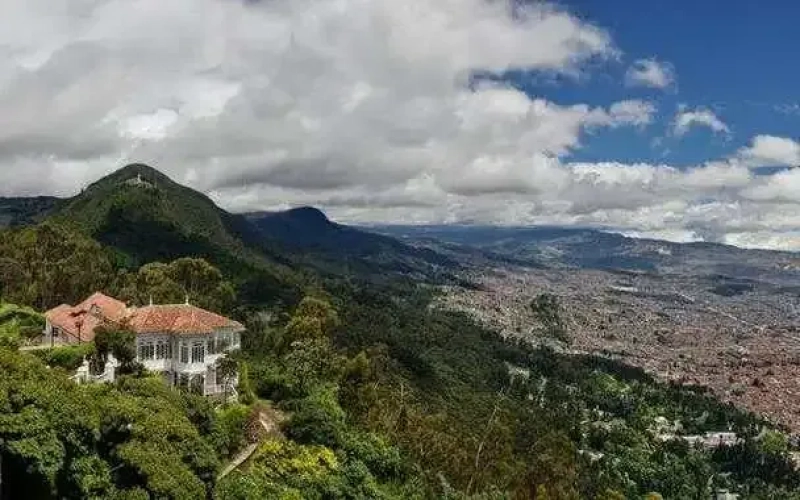
South America is an important coffee-producing region in the world. Colombia, with its three Cordillera mountain ranges and fertile volcanic soil, has become the world's third-largest coffee producer. Among its many producing regions, Antioquia stands out for both its output and quality. This article will begin with the ups and downs in Colombia's coffee history, trace the background of FNC's founding, and then focus on Antioquia's geographical advantages and La Palma estate, telling how the Echavarría family promoted the Chiroso variety and won 8th place with 89.39 points in Colombia's 2023 COE competition. Front Street Coffee will also combine the characteristics of the producing region to interpret for you its flavor potential and representative products. [more…]
Colombia coffee | What does MAM refer to in Colombian coffee origins? What flavor and mouthfeel characteristics do Colombian specialty coffees have?
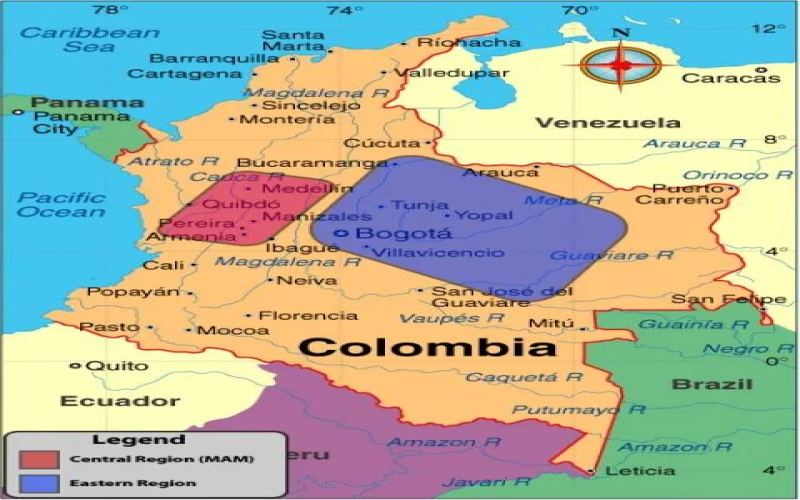
Colombia is the world's second-largest producer of Arabica coffee beans after Brazil. Everyone is familiar with the chocolatey flavor that characterizes Colombian coffee beans. We also all know that coffee originated in Ethiopia—so if no one had brought coffee seeds or coffee saplings to Colombia, how could this [more…]
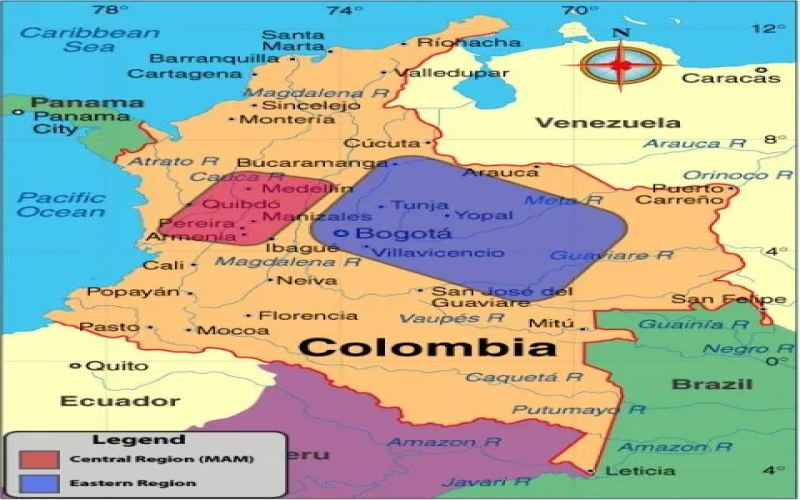
Central American Coffee Beans | Which regions in Colombia produce specialty coffee? What does the MAM designation mean? What are the flavor characteristics of washed beans from the Huila region?
Colombia is the world's second-largest producer of Arabica coffee beans after Brazil. Everyone is well acquainted with the chocolate-like flavor characteristic of Colombian coffee beans. Everyone also knows that coffee originated in Ethiopia—so if no one had brought coffee seeds or coffee saplings to Colombia, how could this [more…]